Start Your Style Journey!

How to Dress for Every Female Body Shape

What you wear should make you feel good — not just look good.
Dressing for your body type isn’t about following strict fashion rules.
It’s about understanding your shape and using clothes to bring out your best features.
When you dress in a way that flatters your natural proportions, confidence follows.
In the past, style guides often boxed women into rigid categories with “dos and don’ts.”
Today, fashion is more personal. Comfort, self-expression, and body positivity are shaping the way women approach their wardrobes.
Understanding Body Types
Knowing your body type is the first step to dressing well.
It helps you choose outfits that highlight your strengths and fit comfortably.
While everyone’s shape is unique, most women fall into one of these general categories:
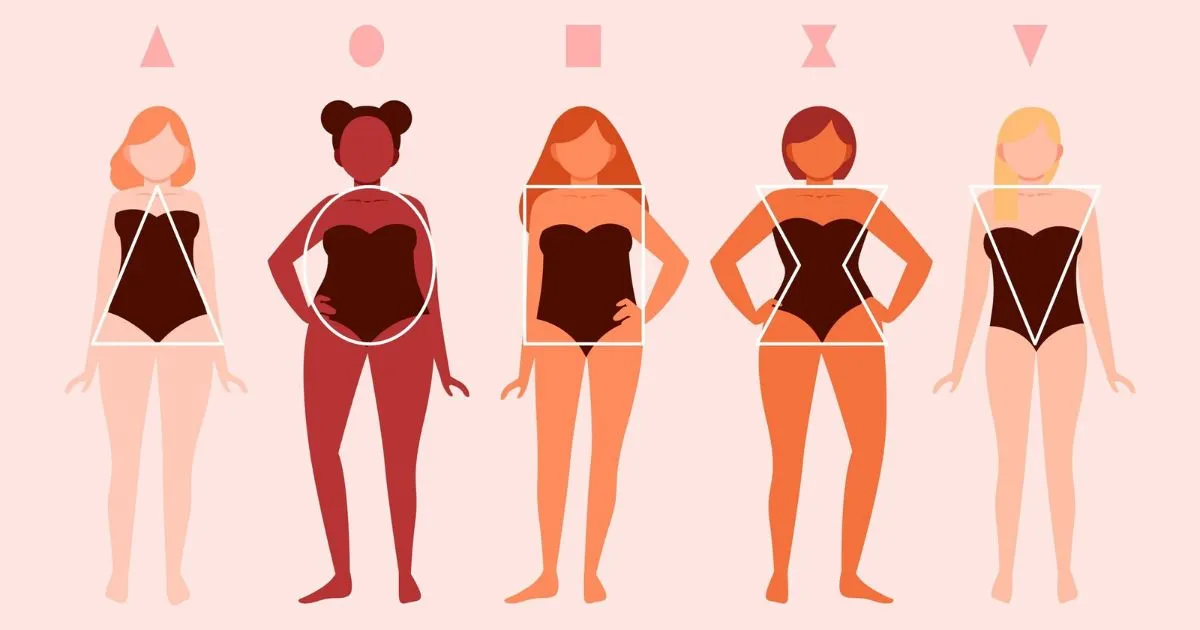
- Hourglass: Balanced bust and hips with a well-defined waist.
- Pear shape: Hips are wider than the bust, often with a narrow upper body.
- Apple shape: Fuller around the midsection with slimmer legs and arms.
- Rectangle: Shoulders, waist, and hips are fairly uniform in width.
- Inverted Triangle: Broader shoulders with a narrower lower body.
- Petite: Shorter frame, typically under 5’4″, with smaller proportions.
- Tall: Longer limbs and torso, usually 5’8″ and above.
These body types aren’t boxes — they’re just helpful starting points. Most women are a blend, and that’s completely normal.
The goal isn’t to fit into a mold, but to understand how different cuts and styles work with your natural shape.
Take a moment to assess your proportions in the mirror or with a tape measure.
A clear sense of your shape leads to smarter choices — and a closet that actually makes getting dressed easier.
Styling Tips for Each Body Type
Hourglass
Characteristics: A naturally balanced silhouette — the bust and hips are proportionate, and the waist is well-defined.
Styling Tips:
- Highlight your waist. Choose fitted styles like wrap dresses, peplum tops, and tailored jackets that draw attention to your midsection. Your waist is your strongest feature — let it show.
- Use belts to your advantage. Whether over a dress, blazer, or tunic, a belt pulls everything in and creates clean, flattering lines.
- Skip the shapeless fits. Baggy or oversized pieces tend to hide your natural curves instead of complementing them. If you want a relaxed fit, balance it out — like a flowy top with slim jeans.
Pear
Characteristics: Hips are wider than the bust, with a naturally defined waist and often slimmer shoulders.
Styling Tips:
- Draw the eye upward. Tops with boat necks, off-the-shoulder cuts, or statement sleeves add volume to the upper body and balance your shape.
- Choose A-line and bootcut silhouettes. A-line skirts gently skim over the hips, while bootcut or flared pants visually even out proportions from top to bottom.
- Go darker on the bottom. Darker colors create a slimming effect, while lighter or brighter shades on top help shift the focus upward.
Apple
Characteristics: Weight is carried around the midsection, with a fuller torso and slimmer arms and legs.
Styling Tips:
- Go for empire waist styles. Tops and dresses that gather just below the bust and flow outward help create shape without clinging to the waistline.
- Lean into V-necks. A V-neckline draws the eye downward and elongates the torso, making the upper body appear more balanced.
- Add structure up top. Choose jackets or blazers with shaping through the waist or strong shoulders — they create definition and add polish without emphasizing the midsection.
Rectangle
Characteristics: Bust, waist, and hips are fairly uniform in width, with minimal natural waist definition.
Styling Tips:
- Add shape with peplum styles. Tops and dresses with peplum details or cinched waists help create the illusion of curves.
- Use belts to carve out a waist. A well-placed belt over a dress or high-waisted pants instantly adds definition and structure.
- Play with volume. Ruffled skirts, flared hemlines, or tiered dresses add movement and create a more dynamic silhouette.
Inverted Triangle
Characteristics: Broad shoulders and a wider upper body taper into narrower hips and legs.
Styling Tips:
- Balance your proportions. A-line skirts and wide-leg pants add volume to the lower half, creating a more even silhouette from top to bottom.
- Choose V-necklines. They help break up the width of the shoulders and draw the eye inward, softening the upper body.
- Skip the extra bulk. Avoid shoulder pads, puff sleeves, or heavy embellishments near the neckline — these can make your upper body appear broader than it is.
Petite
Characteristics: A smaller frame with a height typically under 5’4″, often with proportionally shorter limbs.
Styling Tips:
- Go high-waisted. Pants and skirts that sit at the natural waist make your legs look longer and help create the illusion of height.
- Stick to one color. Monochromatic outfits — especially in darker or neutral tones — create a continuous line that visually elongates your frame.
- Avoid oversized pieces. Baggy or bulky clothing can drown a petite figure. Instead, choose fitted styles that follow your natural shape without adding unnecessary volume.
Tall
Characteristics: A longer torso and limbs, often with a height of 5’8″ and above.
Styling Tips:
- Embrace maxi styles. Maxi dresses and skirts accentuate your height while offering an elegant, elongated look.
- Add definition with wide belts. A wide belt can break up your silhouette and highlight your waist, creating a more balanced shape.
- Play with bold prints. Don’t shy away from large patterns, prints, or color blocking. These elements add visual interest and can make your outfits even more dynamic.
Universal Styling Tips
No matter your body type, there are a few essential style strategies that apply to everyone.
These tips focus on helping you feel your best and build a wardrobe that truly works for you.
- Tailoring is key. Even the most beautiful clothes can look off if they don’t fit properly. A well-tailored piece can elevate your look instantly. It doesn’t matter whether you’re petite or tall — ensuring clothes fit your unique shape is crucial for polished, flattering outfits.
- Accessorize thoughtfully. Belts, scarves, and statement jewelry are powerful tools for personalizing your look. A belt can define your waist, while a colorful scarf or bold earrings can add flair and draw attention to your face. Choose accessories that reflect your style, but remember to balance them so they complement your outfit.
- Fabric and texture matter. The right fabrics can change how a piece fits and feels. For instance, structured fabrics like cotton or denim offer more form, while softer, drapey materials like silk or jersey hug the body in a flattering way. Pay attention to how materials behave on your body type — some may add volume, while others can streamline your figure.
- Prioritize comfort and personal style. Fashion is about expressing who you are. Don’t feel pressured to follow trends or adhere to rigid rules. The most flattering outfits are the ones that make you feel confident and at ease. When comfort and personal style take priority, dressing becomes less about what’s “in” and more about what makes you feel good.
Embracing Personal Style
Fashion is a journey, not a destination. It’s about discovering what feels authentic to you and embracing it.
Don’t be afraid to experiment with different styles, cuts, and colors to find what suits you best. The more you explore, the clearer your personal style will become.
Remember, there are no hard and fast rules. You might discover that a style you thought wouldn’t work for you actually becomes your favorite. Fashion is meant to be fun and transformative — not limiting.
Confidence is key. No matter what outfit you choose, confidence will always be your best accessory.
The most flattering look is one where you feel good, own your choices, and wear them with pride. Confidence can make any outfit shine.
As fashion icon Coco Chanel once said, “Fashion is not something that exists in dresses only. Fashion is in the sky, in the street, fashion has to do with ideas, the way we live, what is happening.”
The essence of style is about embracing your individuality, not following trends blindly.
Fashion experts often highlight that true style is about feeling your best — not looking like everyone else.
“Your clothes should make you feel like the best version of yourself,” says stylist Stacy London.
She adds, “Style is a way to say who you are without having to speak.” And that’s the beauty of personal style: it’s a reflection of you.
Conclusion
To wrap up, remember that dressing for your body type isn’t about following strict rules; it’s about understanding your shape and using fashion as a tool to highlight your best features.
From the Hourglass figure to the Petite, every body type has its own set of styling tips that can help you create flattering and comfortable looks.
At the heart of fashion is self-expression. It’s about experimenting with styles that resonate with you and embracing what makes you unique.
Don’t forget: confidence is your best accessory, and no matter what trends come and go, feeling good in what you wear is what truly matters.
Fashion should be fun and empowering. It’s your chance to reflect your personality, mood, and creativity through your outfits.