Start Your Style Journey!

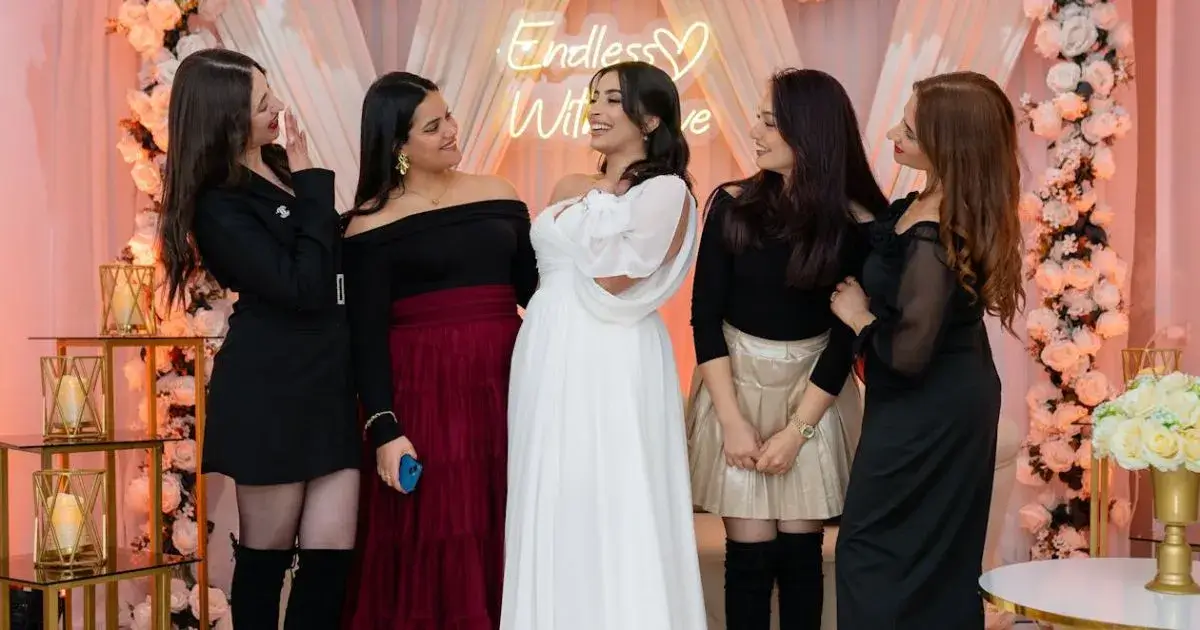
Black Dress Wedding Etiquette: Bad Luck or Not?

Every wedding season, the age-old question pops up again: Is wearing a black dress to a wedding bad luck?
For decades, many guests have hesitated to wear black, fearing it might bring misfortune or seem disrespectful.
But as wedding fashion and etiquette evolve, so does the meaning of black attire.
Today, modern weddings embrace personal style over superstition, shifting the conversation from taboo to trendy.
Quick Answer: Is It Bad Luck?
@torimooore Replying to @Elizabeth wearing black to weddings isn’t technically wrong but depends on time of day and season! or, of course, if the bride specifically requests black 🤍 #weddingguest #weddingguestdress #weddingdresscode #dresscode ♬ original sound – TORI | dress code girlie
No—wearing black to a wedding is generally acceptable today.
The idea that black brings bad luck comes from its historic ties to mourning and funerals, not modern wedding etiquette.
Nowadays, black is seen as a stylish, elegant choice embraced by many guests and even some brides.
Where the “Bad Luck” Myth Came From
The belief that wearing black to a wedding brings bad luck has deep historical roots.
In Western culture, black has long been the color of mourning and funerals.
During the Victorian era, for example, strict mourning customs required people to wear black for extended periods after a loved one’s death.
This association made black a symbol of grief, sadness, and endings—not celebration.
Old sayings like “Married in black, you’ll wish yourself back” also reinforced the superstition, implying that choosing black attire at a wedding could signal future regrets or doom.
These cultural cues shaped social norms for generations, making black an unlikely choice for joyful occasions like weddings.
However, these old beliefs don’t reflect today’s fashion or etiquette, where black is recognized more for its elegance than any unlucky omen.
2024–2025 Search and Style Trends: Why Black Is On the Rise
In 2024 and 2025, black dresses are more popular than ever at weddings.
Major wedding and fashion authorities now recognize black as a chic, sophisticated choice—especially when styled with festive accessories and elegant fabrics.
Publications like Brides and Glamour highlight black’s versatility and modern appeal, emphasizing that it no longer signals mourning but confidence and style.
That said, context matters. While many U.S. weddings embrace black attire, some cultural or ultra-traditional ceremonies still view black as inappropriate due to longstanding customs.
Guests should consider the couple’s background and dress code to avoid any unintentional faux pas.
Overall, black’s rise reflects a shift toward personalized, fashion-forward celebrations that value expression over outdated superstitions.
When Wearing Black Is Perfectly Appropriate
Black dresses are a natural fit for certain weddings—especially those with formal or black-tie dress codes.
For evening events, black’s sleek and elegant vibe aligns perfectly with the upscale atmosphere.
It’s a safe, stylish choice that respects the occasion’s formality without overshadowing the couple.
Modern and urban venues also embrace black attire.
Contemporary couples often encourage guests to showcase personal style, making black a popular pick for its polished, fashion-forward look.
Whether it’s a rooftop ceremony or a chic city loft reception, black conveys sophistication and confidence.
In short, if the invitation hints at dressy or formal attire, black is not just appropriate—it’s often one of the best options.
When to Reconsider or Avoid Black
While black is widely accepted today, there are important exceptions to keep in mind.
In many cultural and religious traditions—such as traditional Indian and Chinese weddings—black is closely linked to mourning and is generally discouraged as wedding attire.
Wearing black in these contexts can be seen as disrespectful or inappropriate.
Always pay close attention to the couple’s instructions.
If the invitation, wedding website, or dress code specifically requests avoiding black or certain colors, it’s best to respect their wishes to honor their special day.
Ultra-traditional weddings or ceremonies with many older guests—especially those held in conservative houses of worship—may also call for lighter, more festive hues.
Choosing softer colors helps avoid any unintended negative connotations and ensures your outfit fits seamlessly with the event’s tone.
Style Rules: How to Wear Black Without Looking Funereal
Wearing black to a wedding is all about the details. To avoid a somber look, choose festive fabrics like silk, satin, velvet, or crepe.
These materials catch the light and add a celebratory feel that lifts the mood instantly.
Opt for silhouettes that feel lively and flattering—think flowy dresses, elegant A-lines, or chic wrap styles instead of stiff or overly conservative cuts.
Accessories play a key role in transforming black from funeral to festive.
Metallic accents like gold or silver jewelry, classic pearls, or colorful clutches and shoes inject personality and joy.
Statement pieces—bold earrings or a bright scarf—can make a simple black dress pop.
Season matters, too. In spring and summer, lean toward lighter fabrics and softer, pastel accessories.
For fall and winter weddings, richer textures and deeper-toned accents bring warmth and seasonal flair.
Lastly, always match your outfit’s formality with the dress code.
For black-tie weddings, long gowns or sophisticated cocktail dresses work best, while semi-formal invites call for refined yet less formal options.
What Not to Do (Etiquette Watchouts)
When wearing black to a wedding, it’s important to stay mindful of etiquette to keep the focus on the couple.
- Avoid choosing a black dress that closely matches the bridesmaids’ dresses or the bridal party’s color scheme.
- You don’t want to unintentionally blend in or compete for attention.
- Also, steer clear of styles that lean too somber or have a “funeral” vibe—such as overly plain or heavy fabrics without any festive elements.
- On the flip side, avoid flashy or clubwear-style outfits that might feel out of place, like neon colors or excessively revealing cuts.
The goal is to look elegant and respectful, fitting seamlessly into the celebratory atmosphere.
Cultural Considerations: A Quick Guide
In some cultures, black carries specific meanings that affect wedding attire choices.
For instance, in traditional Indian and Chinese weddings, black is often associated with mourning and is generally avoided to honor cultural customs.
Wearing black in these settings might unintentionally send the wrong message.
If you’re attending a mixed-culture wedding or are unsure about the dress code, it’s a good idea to check the wedding website or ask the couple or close family members discreetly.
Respecting cultural norms ensures your outfit is appropriate and appreciated.
Conclusion
Bottom line: At most U.S. weddings today, wearing a thoughtfully styled black dress is not bad luck—it’s a chic, elegant, and appropriate choice.
Just be sure to respect the dress code and any cultural contexts specific to the couple.
When in doubt, prioritize celebrating love and making a tasteful impression.